Why You Fight Yourself: Ending the Internal War
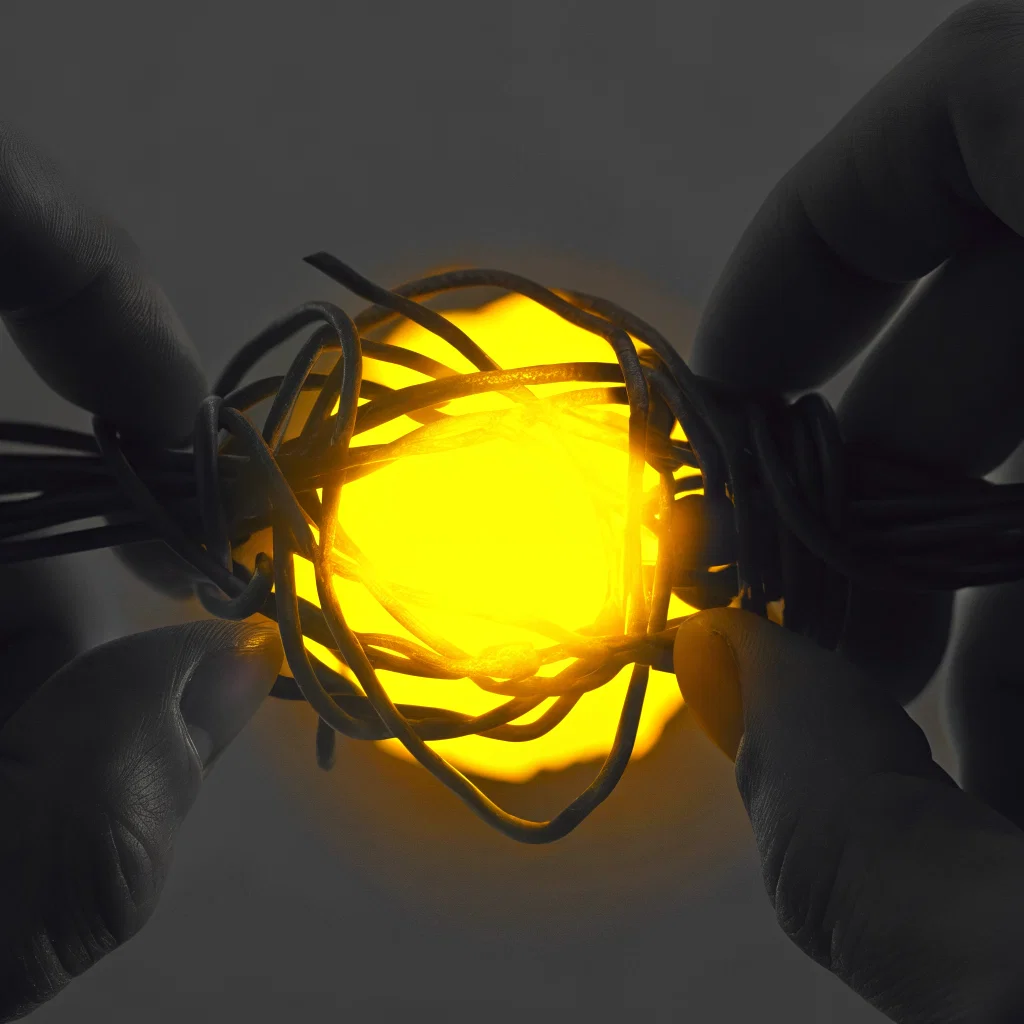
The text argues that negative emotions and inner conflicts are not enemies attacking us, but parts of ourselves that were rejected long ago, often in childhood. To preserve love, safety, or acceptance, we learned to suppress certain feelings—such as anger, fear, desire, or sadness—and these rejected energies later return in distorted forms like anxiety, self-criticism, resentment, or emotional pain.
Rather than fighting these emotions, the author suggests recognizing and welcoming them. The body, relationships, and recurring life patterns all reflect what has been denied within us. Healing begins when we stop resisting, soften our defenses, and allow these energies to be felt and understood. Their painful forms are not their true nature but the result of rejection.
Ultimately, the text proposes that inner peace does not come from eliminating negativity, but from ending the internal war against ourselves. Both the rejected emotions and the inner critic were attempts to protect us. When they are accepted with understanding and compassion, what seemed dark or destructive can transform into strength, wisdom, sensitivity, and wholeness. The goal is not to fix ourselves, but to stop exiling parts of who we are and return to a state of inner unity.