The Brutal Truth of Machiavelli
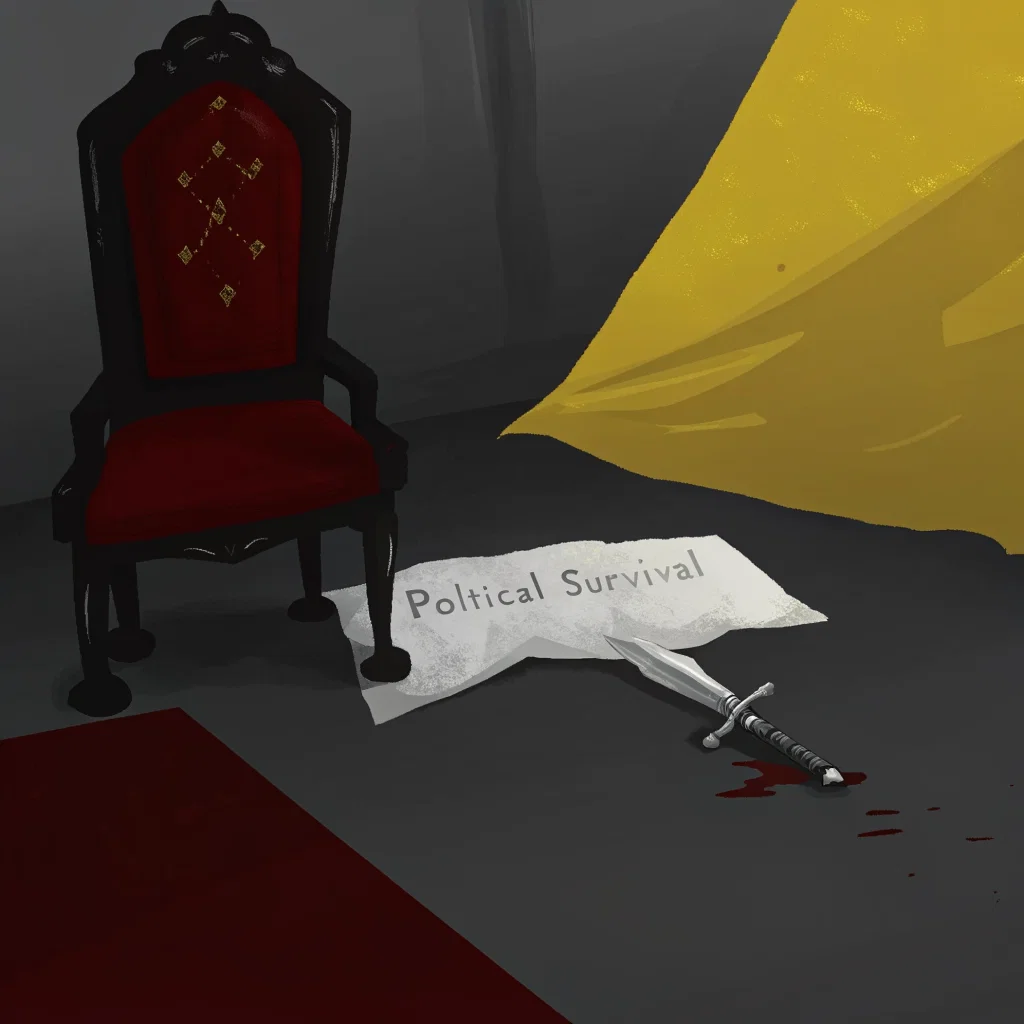
This text presents Niccolò Machiavelli as a deeply misunderstood thinker who described the world as it truly is, rather than how people wish it to be. Drawing from his political career in Florence and his exile, he wrote works like The Prince to explain how power actually functions.
Machiavelli argues that human nature is constant: people are ambitious, fearful, self-interested, and often unreliable. Because of this, leaders must act based on reality, not idealism. His famous idea—that it is better to be feared than loved—means that fear is more stable than affection, but he insists rulers must avoid hatred at all costs.
He distinguishes true friendship from “friends of fortune,” warns that betrayal often comes from those closest to us, and explains that enemies must be handled decisively. He also separates morality from politics, arguing that effective leadership sometimes requires actions that would be morally questionable in private life.
A key concept is the balance between virtù (skill, strength, adaptability) and fortuna (luck or circumstance). While fate plays a role, success depends on preparation and the ability to act decisively when opportunities arise.
Machiavelli also sees religion as a powerful social tool, values historical analysis as a guide to understanding human behavior, and emphasizes the importance of hearing honest advice in positions of power.
Overall, his message is not about promoting evil, but about facing reality with clarity: those who understand how people truly behave are better equipped to navigate power, relationships, and life itself.